
Embarking on a journey to shed a few extra pounds and improve your overall physical well-being often brings up a lot of questions about which foods deserve a permanent spot on your grocery list. Fruits are universally praised as nutritional powerhouses packed with essential vitamins, dietary fiber, and powerful antioxidants, making them a staple of any healthy diet. However, for anyone watching their carbohydrate intake or trying to accelerate fat loss, navigating the fruit aisle can sometimes feel confusing because certain fruits contain naturally high concentrations of fruit sugars that can spike blood glucose levels. Finding the right balance means looking toward nature’s lowest-sugar options, which allow you to enjoy delicious, refreshing snacks without derailing your daily caloric and metabolic goals. Incorporating the best fruits for weight loss low sugar into your daily meal planning is a brilliant, sustainable way to satisfy your sweet tooth while keeping your body nourished and energized.
To understand why low-sugar fruits are so effective for managing weight, we need to take a closer look at how sugar and fiber interact inside our digestive system. When you consume a food loaded with refined sugars, your digestive tract breaks it down rapidly, sending a sudden flood of glucose into your bloodstream. This triggers a sharp spike in insulin, a hormone that not only clears the sugar from your blood but also signals your body to store excess energy as fat, frequently leading to a subsequent energy crash and intense sugar cravings shortly afterward. Low-sugar fruits, on the other hand, are exceptionally high in soluble and insoluble dietary fiber. Fiber slows down digestion significantly, ensuring that the natural sugars are absorbed into your bloodstream at a slow, steady pace. This keeps your blood sugar levels calm, prevents energy slumps, and keeps you feeling comfortably full for hours after eating.
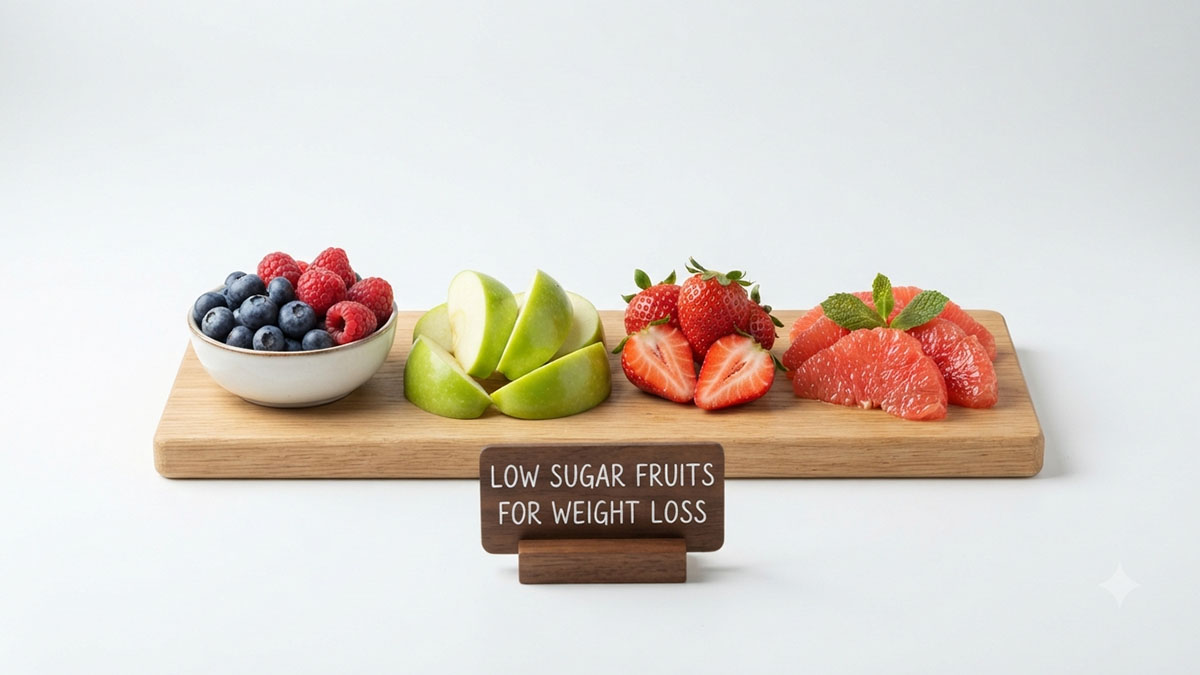
Berries stand out universally as absolute champions when it comes to low-sugar, high-fiber nutritional profiles. Raspberries, blackberries, strawberries, and blueberries are packed with water, rich antioxidants, and incredible flavors while containing a fraction of the sugar found in tropical fruits like mangoes or bananas. Raspberries, in particular, are an exceptional choice because a single cup provides a massive amount of daily dietary fiber with very few net carbohydrates. This high fiber content acts as a natural appetite suppressant by promoting the release of satiety hormones that tell your brain you are satisfied. Tossing a handful of fresh berries into your morning oatmeal, blending them into a protein smoothie, or enjoying them as a simple afternoon snack is a foolproof way to indulge your cravings while staying firmly on track with your weight loss objectives.
Avocados are another fascinating botanical fruit that often surprises people in discussions about weight management because they defy the traditional sweet fruit stereotype. While most fruits are rich in carbohydrates, avocados are composed almost entirely of healthy monounsaturated fats and dietary fiber, containing virtually zero sugar. These healthy fats are essential for optimal hormonal balance, supporting cellular health, and helping your body absorb fat-soluble vitamins from other nutrient-dense foods. Including avocado slices in your salads, spreading mashed avocado on whole-grain toast, or adding it to a savory breakfast bowl triggers prolonged feelings of fullness that prevent mindless grazing between meals, making caloric restriction feel effortless rather than agonizing.
Citrus fruits, including lemons, limes, grapefruits, and small oranges, offer a refreshing burst of flavor and immune-boosting vitamin C while maintaining relatively low sugar levels compared to other orchard fruits. Grapefruit, in particular, has a long-standing reputation in the wellness community as a fantastic companion for weight management. Research suggests that the unique plant compounds found in grapefruit can help improve insulin sensitivity and support efficient metabolic function. Starting your morning with half a fresh grapefruit or squeezing fresh lemon juice into a large glass of water not only enhances hydration but also provides a zesty, low-calorie treat that awakens your senses and supports your body’s natural cleansing processes.
Watermelon and other crisp melon varieties are wonderful options for anyone looking to enjoy sweet flavors while keeping their total calorie and sugar intake under strict control. Because melons consist of over ninety percent water by weight, they offer incredible volume for very few calories. You can enjoy a generous, satisfying bowl of fresh watermelon on a warm afternoon without worrying about accumulating an excessive number of calories. This high water content contributes significantly to your daily hydration goals, helping your body flush out toxins, reducing bloating, and keeping your digestive system functioning smoothly. It proves that eating for weight loss does not mean living on tiny portions of flavorless food.
Green apples are another classic staple that deserves a regular spot in your daily routine when you are aiming to reduce body fat. While some apples can be quite sweet, tart green apples contain lower concentrations of sugar and higher levels of pectin, a type of soluble fiber that acts as a prebiotic to nourish beneficial gut bacteria. Pectin also slows down gastric emptying, meaning the food stays in your stomach longer, prolonging the sensation of fullness. Snacking on a crisp green apple when an afternoon sweet craving strikes provides a satisfying crunch and a burst of natural energy without causing the blood sugar roller coaster associated with processed candies or baked goods.
Integrating these nutrient-dense options into your daily habits is remarkably simple if you plan ahead and keep your kitchen stocked with fresh, appealing produce. Instead of reaching for a bag of chips or processed cookies when you feel a snack attack coming on, prepare a colorful bowl of mixed low-sugar berries or keep pre-sliced cucumbers and citrus wedges ready in the refrigerator. You can also freeze berries and melon chunks to create thick, creamy smoothie bowls that taste like an indulgent dessert while remaining incredibly light on calories and sugar. Making these mindful swaps gradually retrains your taste buds to appreciate natural sweetness, making it much easier to maintain your new dietary habits over the long term.
It is also important to remember that achieving sustainable weight loss is never about relying on a single magical food; rather, it is about building a balanced, wholesome lifestyle that incorporates lean proteins, healthy fats, complex carbohydrates, and plenty of pure water. Fruits provide the essential micronutrients, hydration, and fiber required to keep your body functioning at its absolute peak while supporting your fitness journey. By being mindful of your choices and prioritizing the best fruits for weight loss low sugar, you can enjoy delicious flavors every single day without compromising your health goals. Embracing this balanced, nourishing approach empowers you to take control of your nutrition, boost your vitality, and achieve the lasting results you desire.